REACH US
We’re running this quick survey to get a better sense of what people in Nairobi and Mombasa know about nicotine addiction and tobacco harm reduction. Your input will help us shape educational content that cuts through misinformation—and hopefully, saves lives along the way. Just to be clear: this is for educational and creative purposes only, not a medical consultation. Participation is totally voluntary and anonymous.
It’ll take about 5–7 minutes to finish
What We’re Building

Media
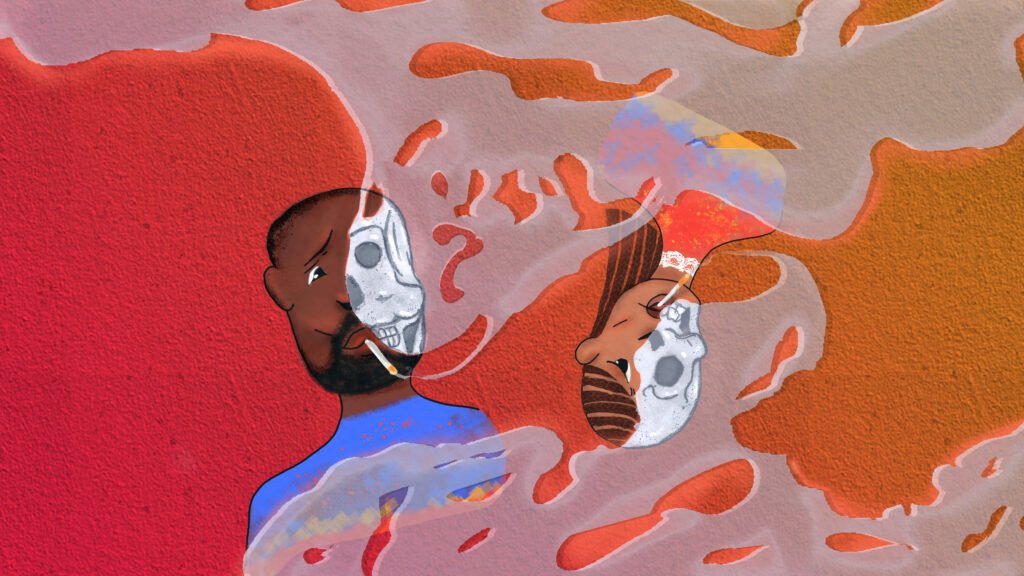
An animated web series featuring audio from doctors, specialists, and smokers

Research
Research content on quitting and mental health resources
Data
Recorded data on the current state of medical literacy regarding tobacco smoking in Kenya
This project is supported by the KAC Scholarship Programme 2026 through the Tobacco Harm Reduction scholarship programme. Funding for the Programme has been provided via a grant from the Global Action to End Smoking. Click below for more FAQs.
Medical Disclaimer & Legal Notice
The information, animations, articles, and all other content provided by Smoke Screen (the “Project”) are intended solely for educational, informational, and artistic research purposes. They are not a substitute for professional medical advice, diagnosis, or treatment. Always consult your physician, a qualified healthcare provider, or a certified smoking cessation specialist with any questions you may have regarding a medical condition, nicotine addiction, or tobacco harm reduction strategies. Never disregard professional medical advice or delay seeking it based on anything you have viewed or read on this website or across our associated social media channels. Furthermore, all content featured in this Project is compiled from previously published, publicly available academic research, peer-reviewed studies, government reports, and third-party sources—all of which are explicitly referenced within our documentation. Smoke Screen acts exclusively as a translational and artistic medium to present this existing scientific data to the public in a more accessible format. The artistic expressions, animated narratives, and interpretative summaries presented herein are derived from this available research; however, they do not necessarily represent the personal views, specific ideologies, or official policies of the individual artists, researchers, or the organizing body behind Smoke Screen. The Project does not claim ownership of the underlying scientific data, nor does it present its creative renditions as novel medical discoveries or clinical recommendations. Reliance on any information provided by Smoke Screen is solely at your own risk.
Disclaimer: Smoke Screen content is for educational and artistic purposes only — not medical advice. Always consult a healthcare professional for cessation guidance. All material is derived from publicly available research and does not represent the personal views of the Project or its contributors. This project exists solely for knowledge sharing and educational purposes